
Irish Film and Sincere Portrayals

irishfalgWhere the American film industry’s interest in the IRA and The Troubles was generally commercial, the use of the IRA in Irish film took a different route. The year before Ronin — the American action thriller directed by John Frankenheimer and starring Robert De Niro — hit the big screen, Jim Sheridan’s second film about The Troubles was released to critical acclaim.

The Boxer, starring Daniel Day-Lewis, came as a follow-up to the very successful In the Name of the Father, released in 1993. Both films feature immediate differences from the American action films that had starred the IRA over the years. Both films are dramas, centering on themes of justice, innocence, redemption, and the presence of two crippling forces in the daily life of the Northern Irish people: the IRA and the British Army.

In the Name of the Father is based on the story of the Guildford Four, the four people wrongly imprisoned for carrying out the
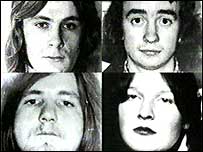
Pictures of the Guildford Four upon arrest (Courtesy of BBC)

Guildford bombing and was adapted from the autobiography of Gerry Conlon, who served 14 years in British prison after being wrongly convicted of carrying out the bombing.   The story of the Guildford Four and the Maguire Seven had captivated Irish and British audiences in the early 1990’s, as their appeals were brought to court and their convictions ultimately overturned. Already a polarizing topic, the cases were made all the more controversial by allegations of extensive torture on the part of the British justice system in response to the bombings. Upon its release, British media bombarded the film, with the Mail on Sunday warning it would be a “cash bonanza” for the IRA when it reached Irish American audiences. While this criticism of the film was unfounded, funding was a major concern when talking about the IRA and their prospective American audience.

Both films mark a departure from the purely symbolic use of the IRA in films such as Ronin and shows like Hawaii Five-O. Created by an Irish Director and filmed in Ireland, the films explore a much more subtle understanding of the IRA, specifically as it impacted daily life for the people of Northern Ireland. In these films, the IRA’s role as vigilante police forces in Catholic working class communities in Belfast and Derry are exposed, as are their presence on the streets.

The Boxer reveals the unpleasant underbelly of the IRA as an organization that had no place in popular American film. It tells the story of once-promising boxer Danny Flynn’s release from prison after fourteen years in jail. As he begins to work towards peace via his non-sectarian boxing club, it becomes clear that a now fragmented IRA has elements not willing to take part in the peace process. His former boxing coach, Ike, had fallen into alcoholism after Danny’s arrest and having seen many of his young boxers, Catholic and Protestant, killed in the violence. This is one such example of the IRA that never made it into popular film. The “not the IRA” construction allowed mainstream American filmmakers to deny the terrorist realities of the IRA. Here, though, in Irish film, such denials are not acceptable.

[Home]
Film, Television, and the IRA

Aran Fox, Josie Milks, and Deanna Palma

Exploring Connections Between the IRA and On-screen Representations

This site is dedicated to exploring the close ties between the Irish Republican Army, the clandestine organization that has operated in Britain and Ireland for nearly one hundred years, and film and television. Across continents and decades, the IRA has been represented in various ways in approximately 80 major movies and TV shows. Varied representations, from American to Irish to English, have been realized onscreen. We hope that this site can inform you on these representations, both innocent and sinister.

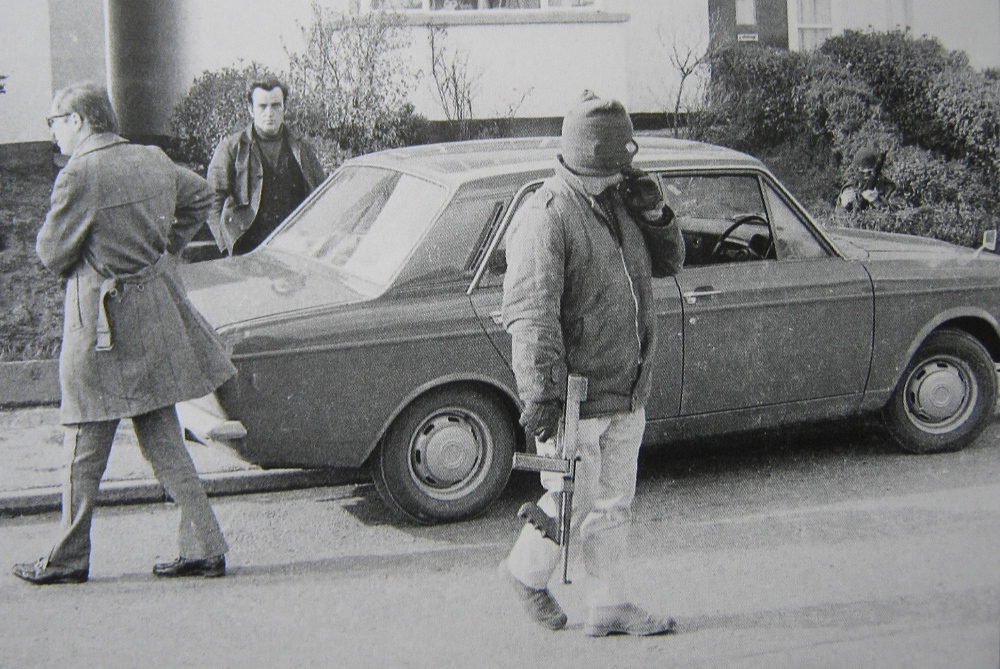
IRA Men Stand Guard at a Derry Checkpoint

The site is broken down in two main ways. Firstly, we have included some macro-level analyses: an introduction to the IRA’s history in film, IRA representation in Irish film, and that representation in American film. These also link to some smaller issues, like the “not the IRA” designation employed by many popular onscreen representations.

We have also broken down the importance of these varied portrayals, especially as they have come to inform international perceptions of the IRA and the clever trick filmmakers use to keep their hands clean.

Finally, we have made specific analyses of some of the most significant films and shows to feature the Irish Republican Army:

[Hawaii Five-O]

[Hidden Agenda]

[In the Name of the Father]

[Miami Vice]

[Shadow Dancer]

[The Boxer]

[Works Cited]

Recognizing the Influence on Foreign Audiences

The problem with the traditional hero, villain, and victim breakdown utilized by many films to categorize the IRA is not limited to historical inaccuracy. The Northern Irish situation remains poorly understood by many audiences, which in some cases makes film the viewer’s first exposure to the IRA. Thus, as Connelly argues, “Film has largely informed the world about the Irish Republican Army.” This phenomenon can be seen elsewhere in American film, in the long-running obsession with crime films that led to the mafia movies Goodfellas and The Godfather trilogy. In much the same way as these films helped to define America’s understanding of the mafia, so too did film shape America’s understanding of the IRA.

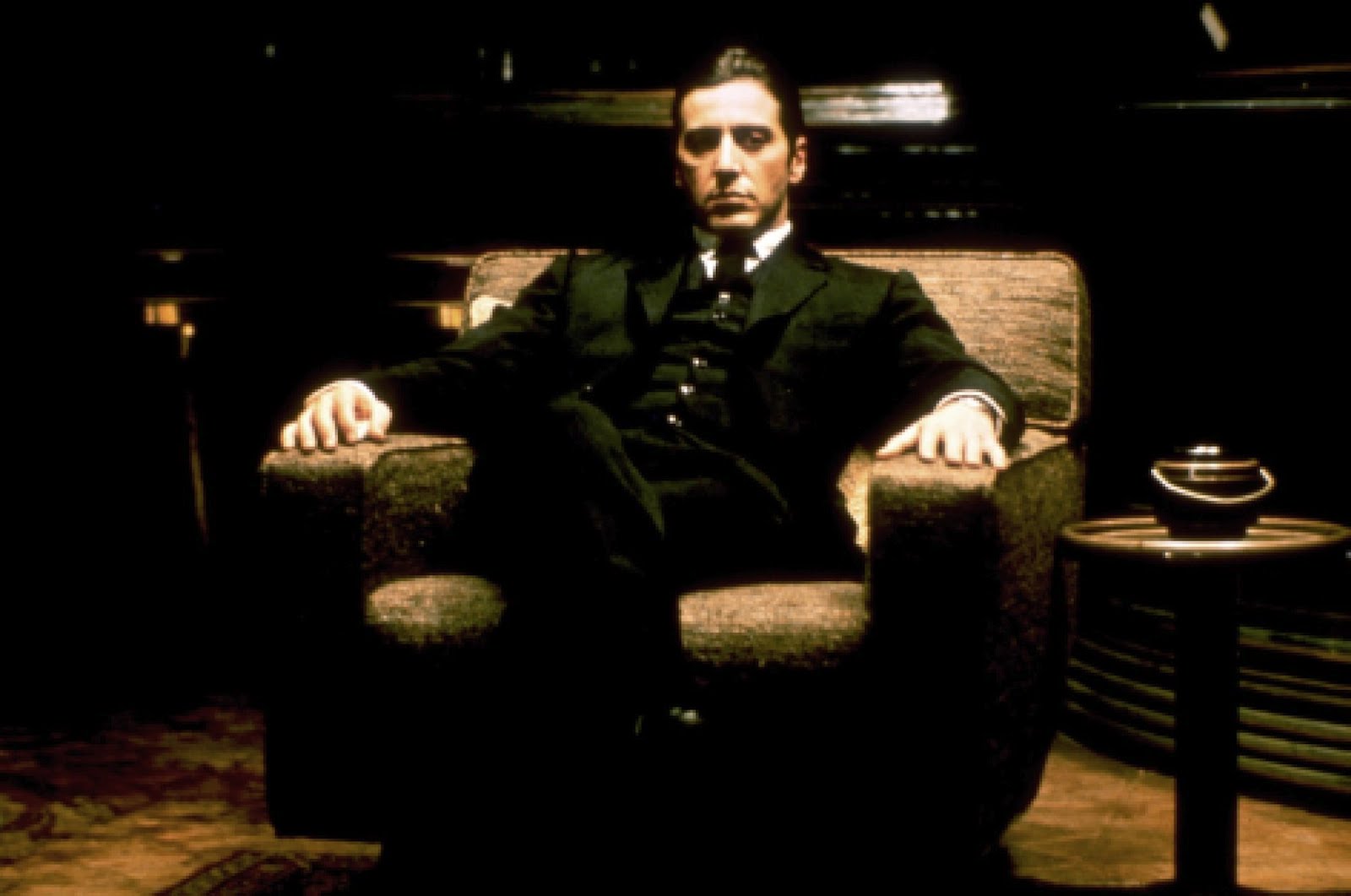
Michael Corleone from The Godfather Part II
Michael Corleone, The Godfather Part II

Recognizing that film has played a significant role in defining the IRA for American audiences, the portrayals of the IRA in film then become valuable tools in mapping American understanding. For a nation with significant ties to a British government that dismissed the IRA as a band of criminal thugs and terrorists, the American response in film does not match up. Instead, the tendency is for American film to support the liberation movement the IRA stands in for, but renounce the violent means of attaining it. America, the nation absorbed in popular fantasies of independence and national self-determination, found a suitable target for these fantasies in the IRA. This is made possible by the “us vs. them” structure of many IRA films. In keeping with the American ideals of freedom from oppression and liberty for all, the IRA is set up in direct opposition to a foreign occupying authority. America is predisposed to sympathisize with this kind of struggle because it’s reminiscient of the early nation’s struggle under the thumb of it’s British oppressors. It’s easy for American audiences to view the British as villains when American history textbooks perpetuate that image. “American motion pictures never criticize ‘the Cause,’ only the use of violence which is usually attributed to renegades or lone terrorists condemned by the IRA.” The question is not in the nobility of the cause, but in the methods used.

This move on the part of American filmmakers has done little to try to understand the conflict, instead focusing on repackaging it to fit within “us vs. them” style scripts. The American crime drama can again serve as a counter-example here. “A gangster picture typically focuses on the clash between cops and robbers. The audience, however, intuitively understands that outside the scope of the drama there are millions of law abiding citizens relying on the police for protection.” This “intuitive understanding” is absent in the foreigner’s vision of Northern Ireland influenced by American cinema. The urban warzone depicted in countless IRA films creates the “illusion that the majority of those living in Northern Ireland belong to an indigenous people resisting an unwanted British occupation.”

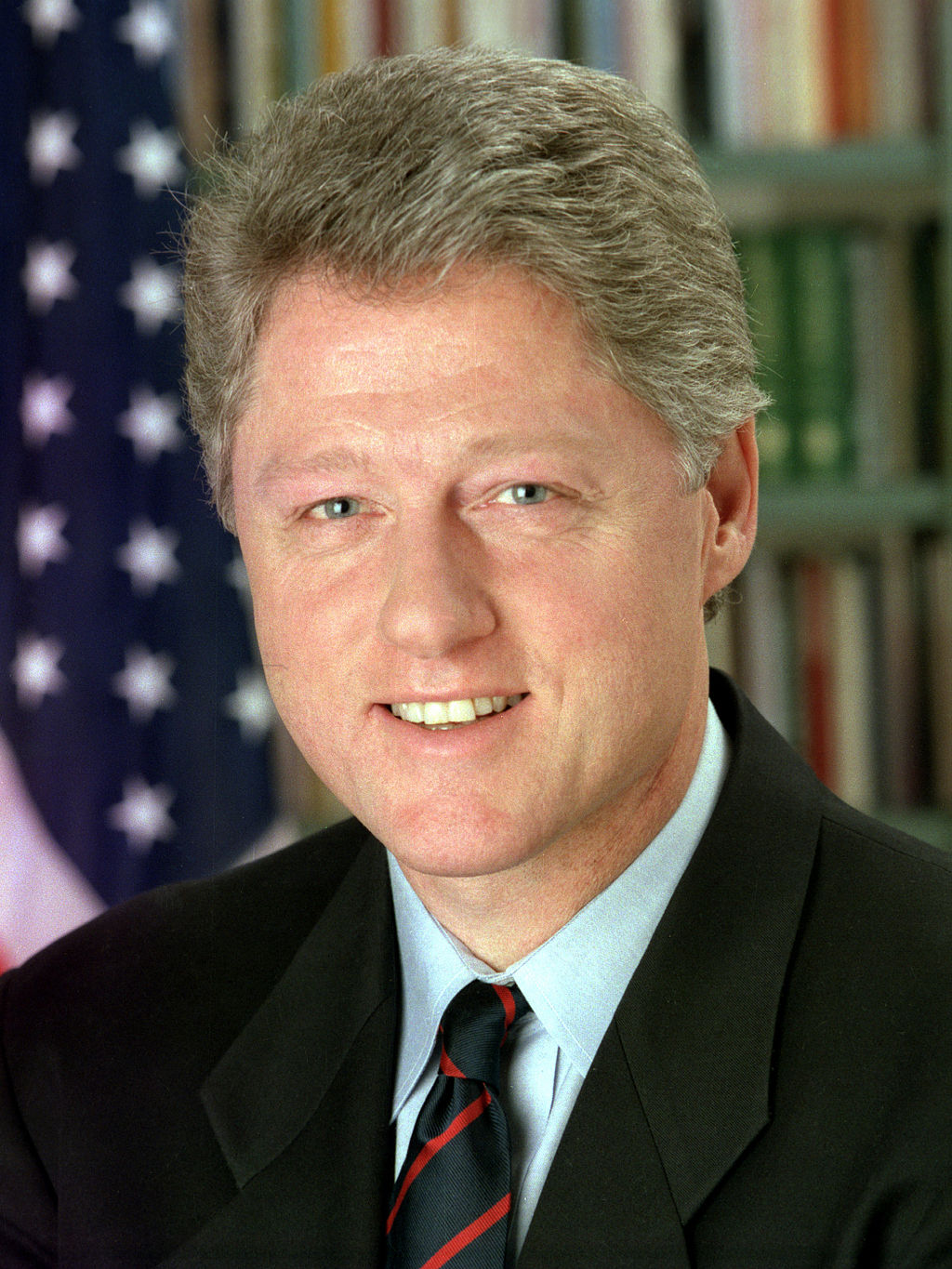
President Clinton, the Face of American Involvement in The Troubles

This, however, is by no means the only portrayal of the IRA. Two major factors influencing the portrayal of the IRA have shown to be country of production and time. Early American representation pigeonholed the IRA as a convenient plot device, with very little attention paid to historical accuracy or detail. As popular understanding of the conflict increased alongside increased American involvement in Northern Irish politics in the 1990’s, this representation began to change. Further, representations within Irish film take a different direction when representing the IRA, opting for an emphasis on their local presence rather than the grand construction of the resistance army, good or bad, contrived by foreign films.

[Home]