
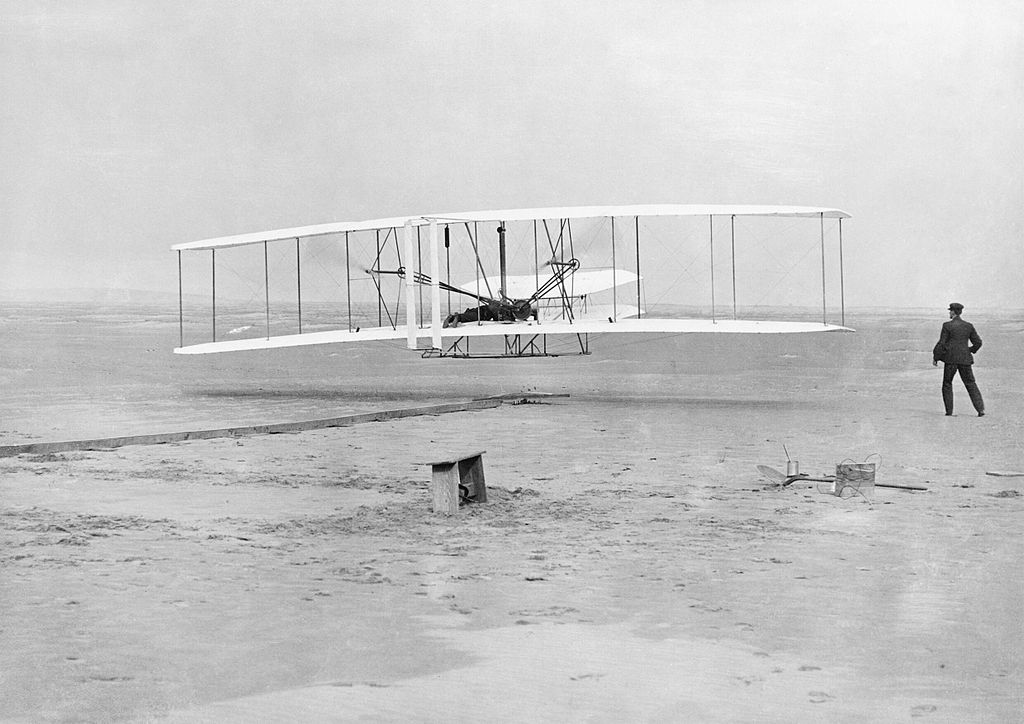
In 1903, brothers Orville and Wilbur Wright achieved the first sustained, powered flight. Two years later they offered to the world the first fully practicable airplane (1). Mankind had entered into the era of controlled flight, and warfare would forever be altered by this ascension of man.
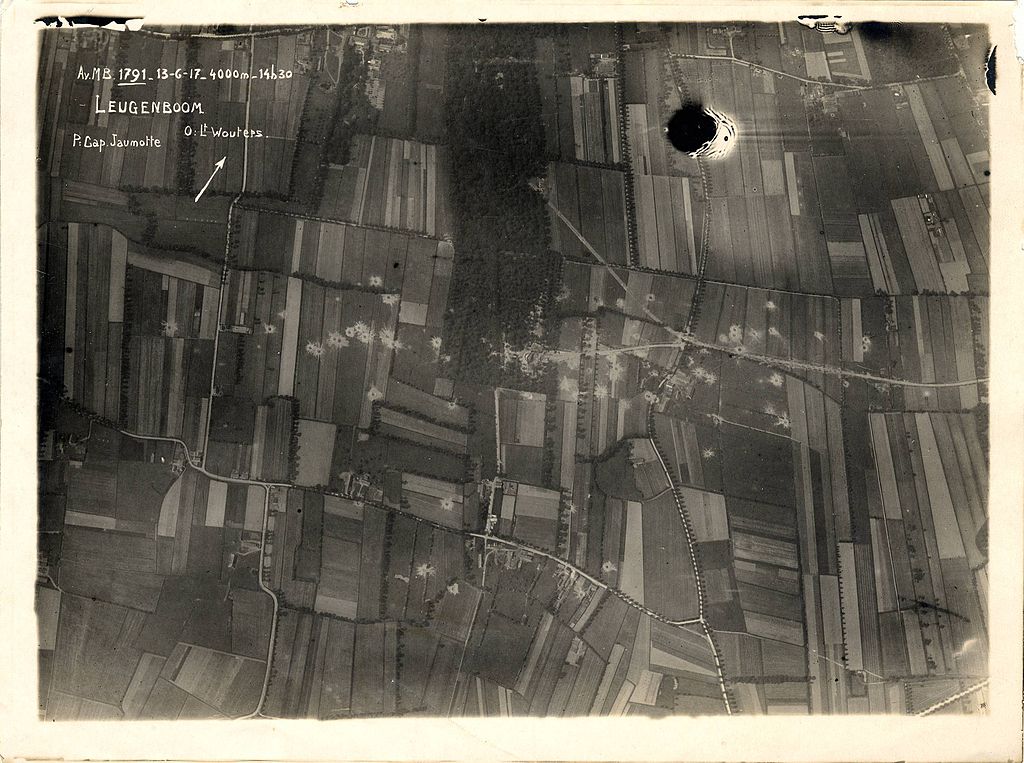
Since the Civil War, observers had been placed above friendly lines to spot targets for artillery and also to signal to them by how much they needed to adjust. However these were large, stationary targets that made relatively easy picking for enemy ground fire. Similarly, cavalry serving as reconnaissance could only provide limited information about structures and defensive positions. A mobile airplane, however, could go above the enemy’s lines and with a photographer take pictures of defensive positions and troop displacements to relay back to artillery batteries which could in turn fire at a much clearer target with better results.

So it was, that at the beginning of the First World War airplanes were typically used only in reconnaissance roles. The year 1915 in particular saw the development of aircraft being used for spotting enemy movements, targets for artillery, and even adjustments for artillery fire (2). Their role remained largely the same in 1916 until during the Battle of the Somme, where the British began equipping aircraft with machine guns. These would swoop lay along enemy trenches and strafe the infantry situated below, causing a great deal of stress and apprehension for those garrisoned there (3).
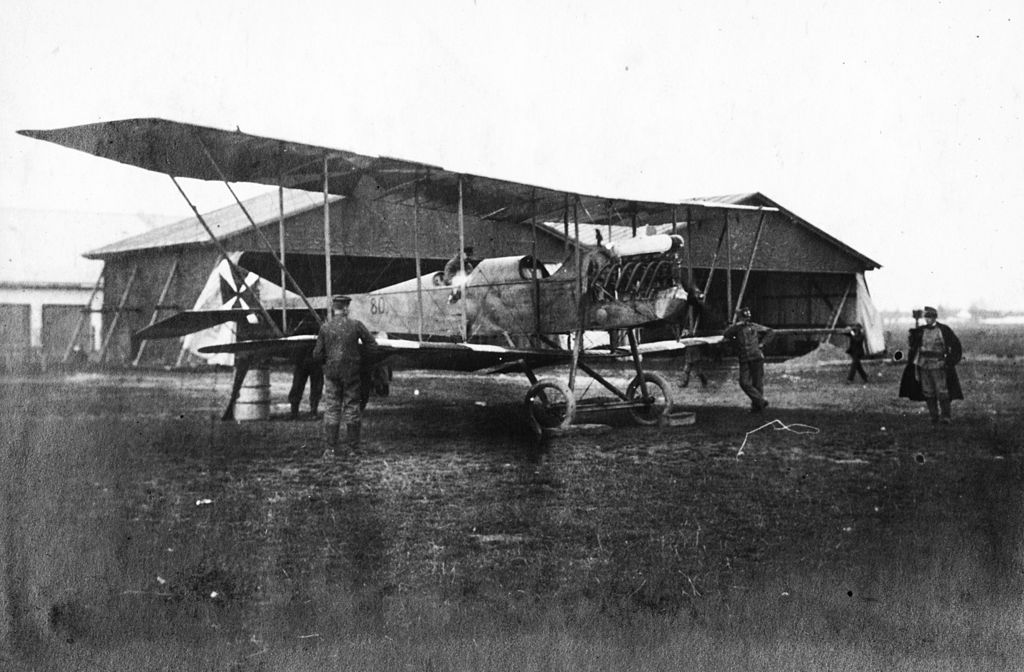
As aforementioned, though airplanes simply started as an advancement of early spotting and reconnaissance tools available to a high command, they quickly filled out into other niches as well. Before long, in addition to reconnaissance planes, there were fighters and bombers as well. In fact the Germans alone would construct nearly 48,000 aircraft during the war of 150 different models. This figure is dwarfed when compared with the total Allied productivity however, as factories in England and France churned out almost 139,000 airplanes (4).
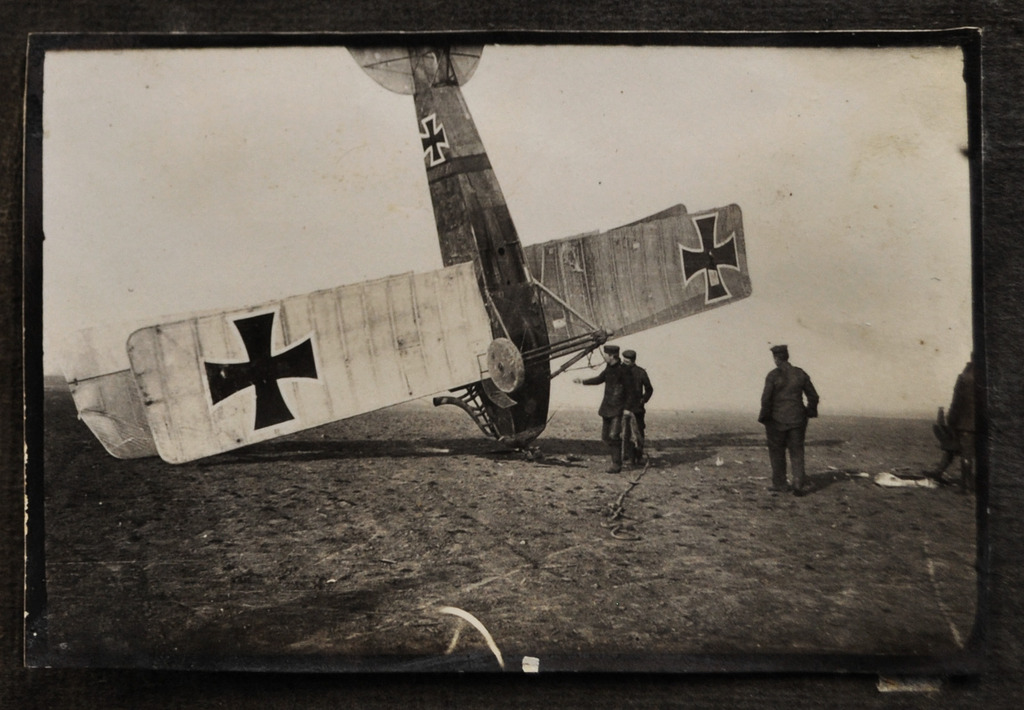
The Germans clearly faced a distinct numerical disadvantage in the skies over Western Europe. To offset this they only deployed their air divisions in specific regions where it would clearly benefit their efforts on the ground. Thus they could then enjoy a local superiority in strength in limited sectors. Throughout the war the Germans appeared to have gotten the better of Allied pilots, taking down 2-3 enemy aircraft for every one lost (5).
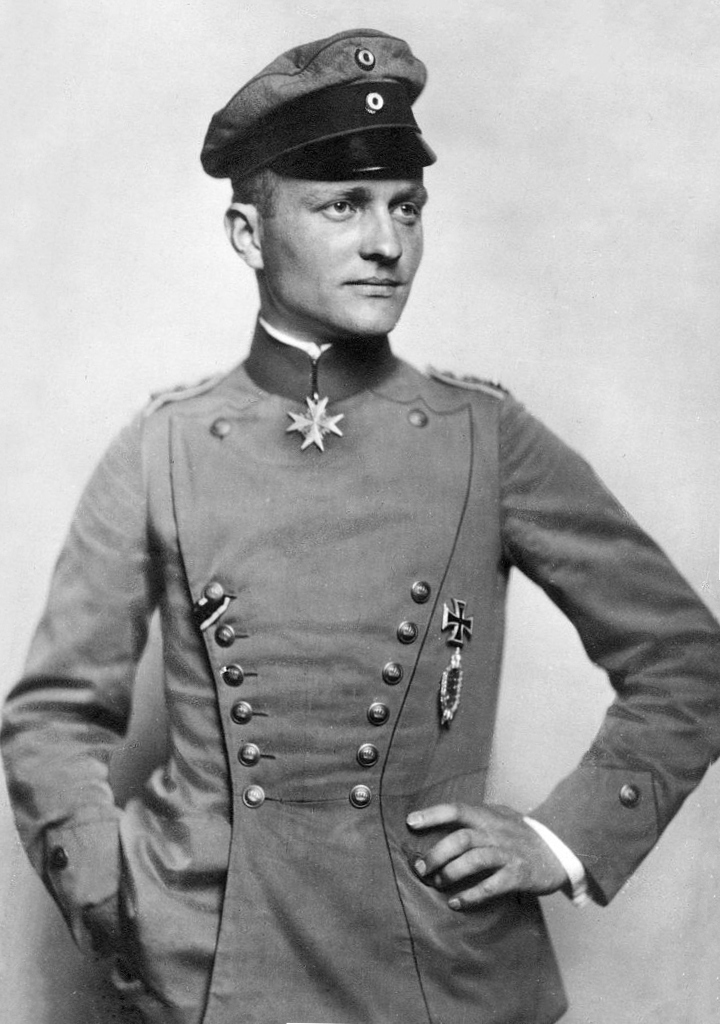
Of all those who piloted aircraft during World War I none achieved more fame than the German, Manfred von Richthofen- The Red Baron. Though he began as a machine gunner in 1915, he soon began pilot training and on Christmas Day, 1915 Richthofen passed his examination. He soon joined German fighter ace Oswald Boelcke in a special new unit in August, 1916 (6). Though Boelcke himself would die shortly thereafter, von Richthofen would continue his legacy, eventually earning 80 confirmed kills including numerous other fighters. He was killed in action over France on April 21, 1918 (7).
“Don’t you think I’ll be back?”-Manfred von Richthofen, April 21st, 1918.
Overall, the introduction of aircraft over the battlefield would revolutionize combat in a way that one machine has rarely ever managed to do. In one invention, military commanders were granted a new way to reconnoiter enemy positions, bomb them, and protect friendly skies from invading aircraft. Orville and Wilbur Wright could have little known the Pandora’s Box they had opened up that day in 1903.
- Staff, History.com, “Wright Brothers,” A+E Networks.
- Henri Lucas, Pascal Marie, The Evolution of Tactical Ideals in France and Germany during the War of 1914-1918, 1923, pg. 62.
- Balck, William, Development of Tactics- World War, 1922, pg. 75.
- Zabecki, David T. “Military Developments of World War I .” International Encyclopedia of the First World War.
- Ibid.
- Sherman, Stephen. “The Red Baron, Manfred von Richtofen.”
- Ibid.